Pasture-Raised Chicken: Excellent, But Organic Adds Another Layer
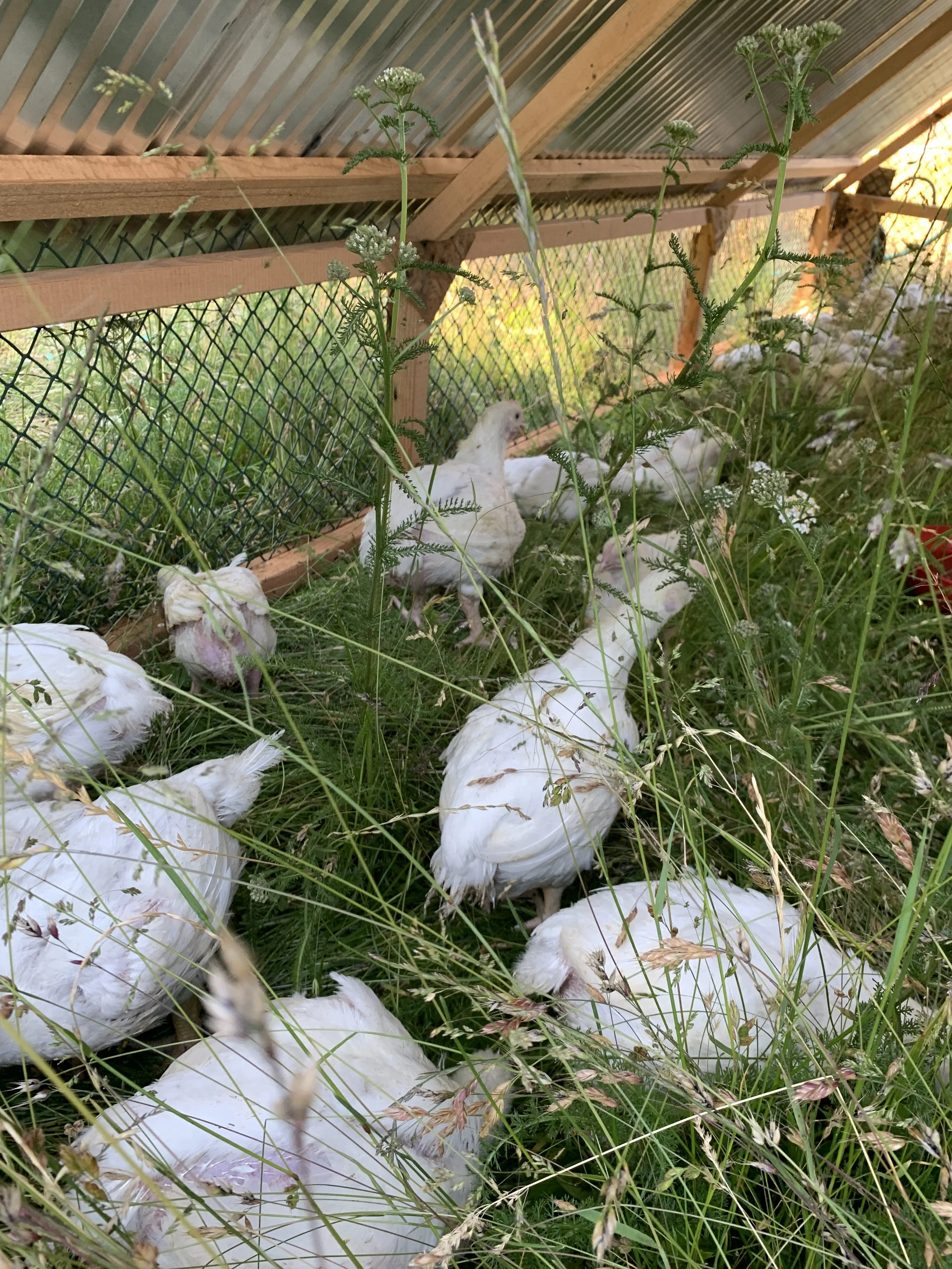
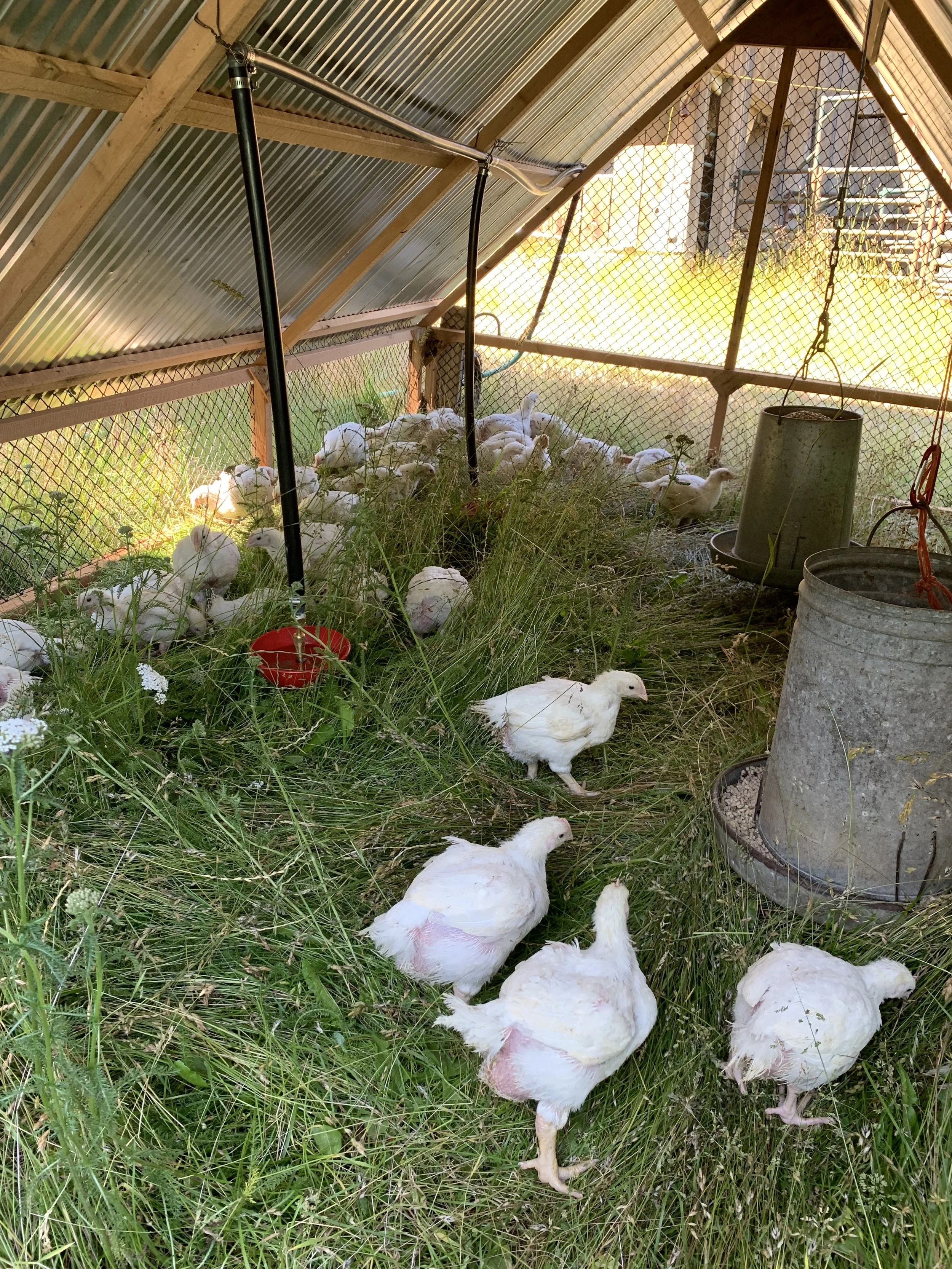
Pasture-raised chicken is a huge step up nutritionally. Our birds spend a significant portion of their lives outdoors, foraging for bugs, worms, and grasses, which naturally enhances the quality of their meat. This diverse diet leads to higher levels of omega-3 fatty acids and conjugated linoleic acid (CLA), both of which have been shown to reduce inflammation and support heart health.
However, while pasture-raised chickens enjoy a better lifestyle, their feed still matters.
If they're not fed certified organic feed, they may still be consuming grains that contain pesticides, herbicides, or GMOs. That's why choosing organic pasture-raised chicken is the ultimate gold standard.
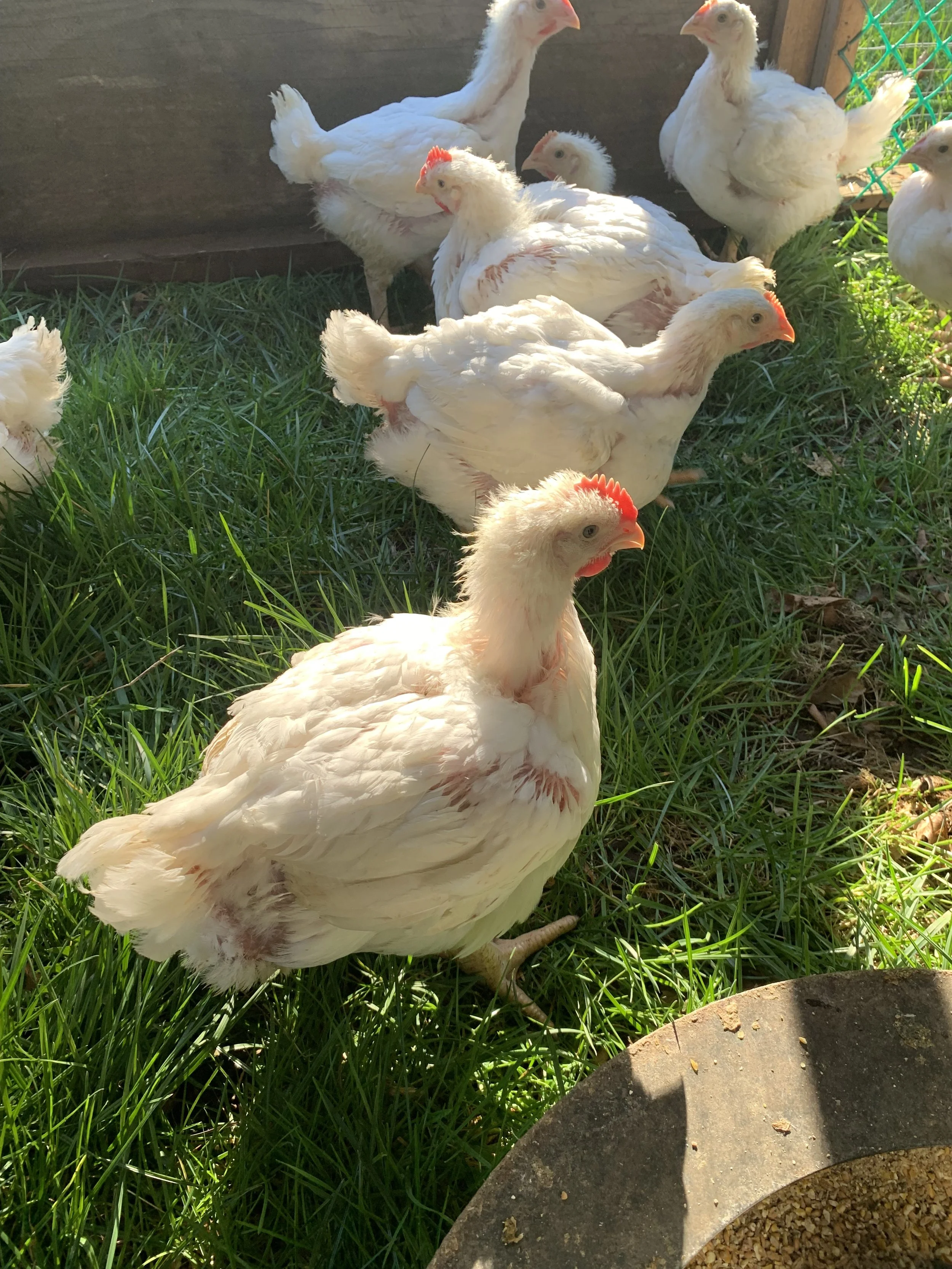
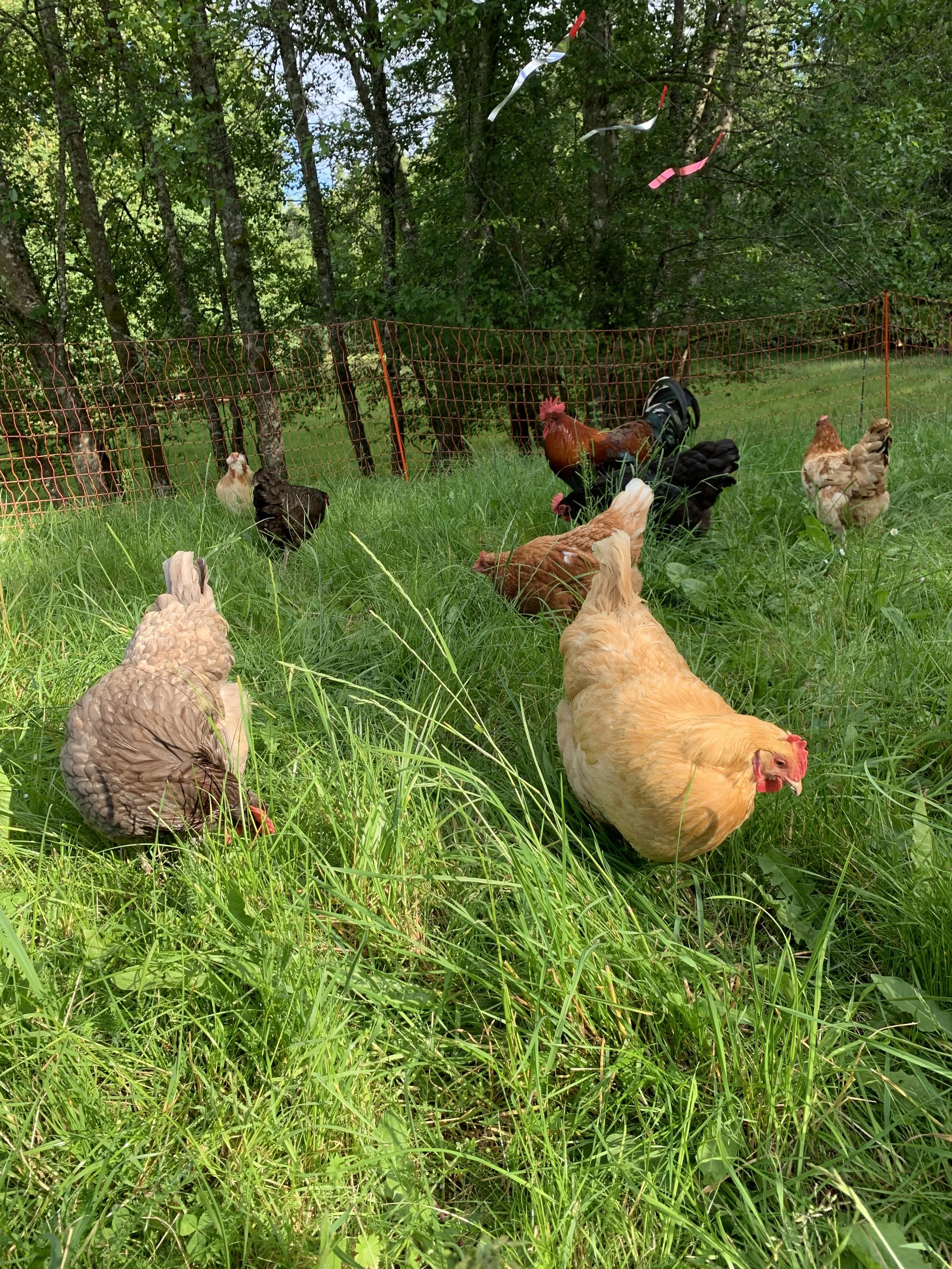
How our poultry is raised.
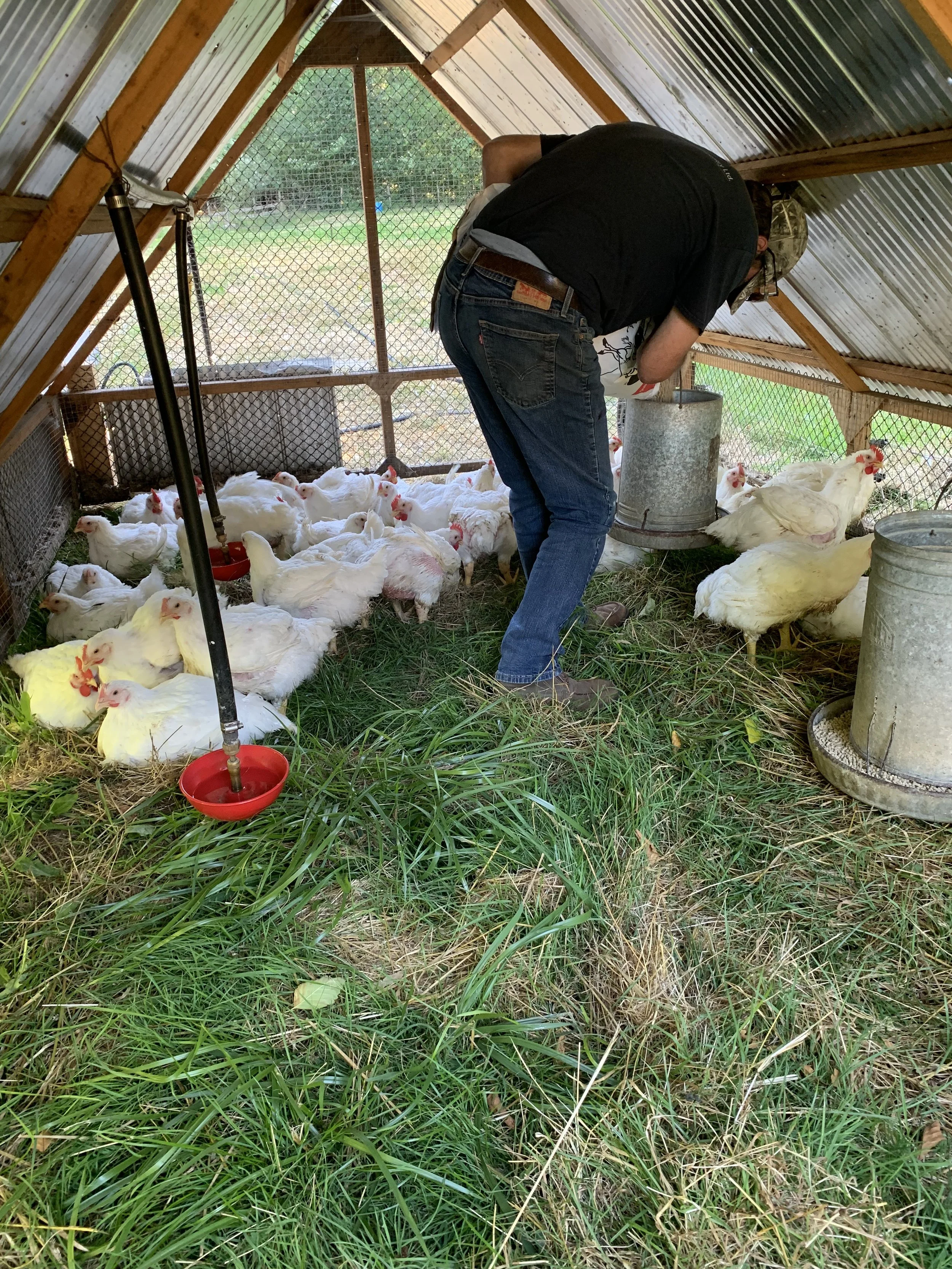
Organic Pasture-Raised Chicken: The Best of Both Worlds
Organic pasture-raised chicken combines the best aspects of both labels. Our birds are not only raised outdoors with plenty of sunshine and with access to a natural diet but they are also fed organic, pesticide-free grains when needed.
From a health perspective, this combination is incredibly powerful. Omega-3 levels are maximized, thanks to the birds' ability to forage.
CLA content is higher, supporting metabolic health and inflammation reduction.
Toxin exposure is minimized, as these chickens aren't consuming pesticide-laden feed. Essentially, organic pasture-raised chicken gives you the cleanest, most nutrient-dense option available.
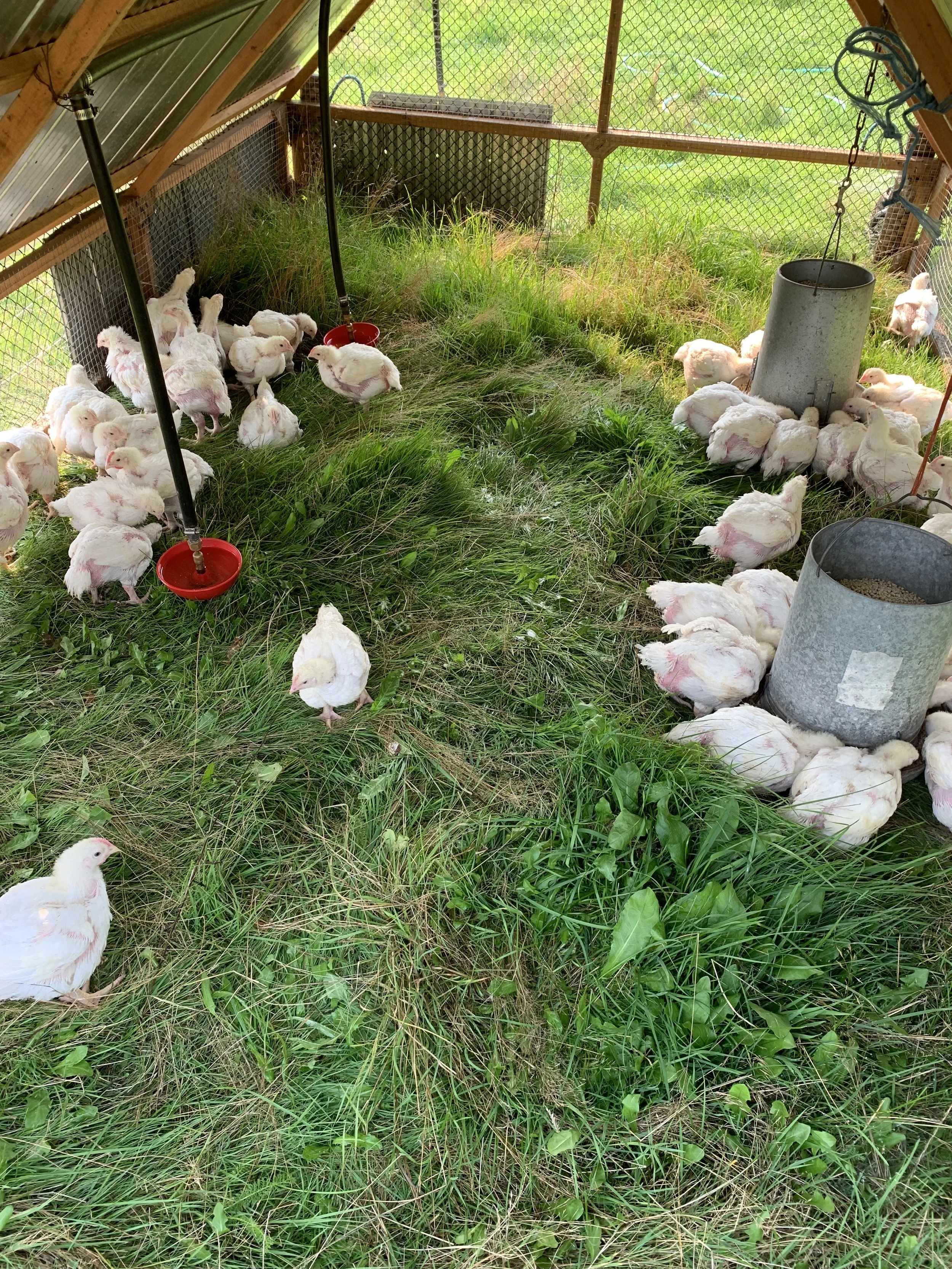
Supporting Regenerative Agriculture
Choosing organic pasture-raised chicken isn't just better for your health—it also supports sustainable and regenerative farming. Regenerative agriculture goes beyond sustainability by actively improving soil health, increasing biodiversity, and capturing carbon.
By buying from farms that follow regenerative practices, you help:
Improve soil quality through rotational grazing, which naturally fertilizes the land.
Reduce pollution by avoiding synthetic pesticides and fertilizers.
Support ethical animal treatment, ensuring chickens live in natural, low-stress environments.